Why Artists Still Return to Ancient Stories
Mythology has never truly disappeared from art. Though these stories were born in ancient cultures, they continue to live on because they speak to something enduring in the human experience. Gods, heroes, monsters, transformations, underworlds, and impossible journeys are more than relics of the past — they are symbols artists still use to explore what it means to be human.
Contemporary artists return to mythology not simply to illustrate ancient tales, but to speak through them. Myth offers a powerful visual language for ideas that remain just as relevant now as they were centuries ago: identity, struggle, desire, power, loss, and rebirth.
Many mythological figures embody inner conflict. They are divided, tested, exiled, transformed, or caught between worlds. For artists today, these stories offer a way to explore fractured identity, personal evolution, and the complexity of becoming. Myth can hold contradiction in a way that feels deeply human.
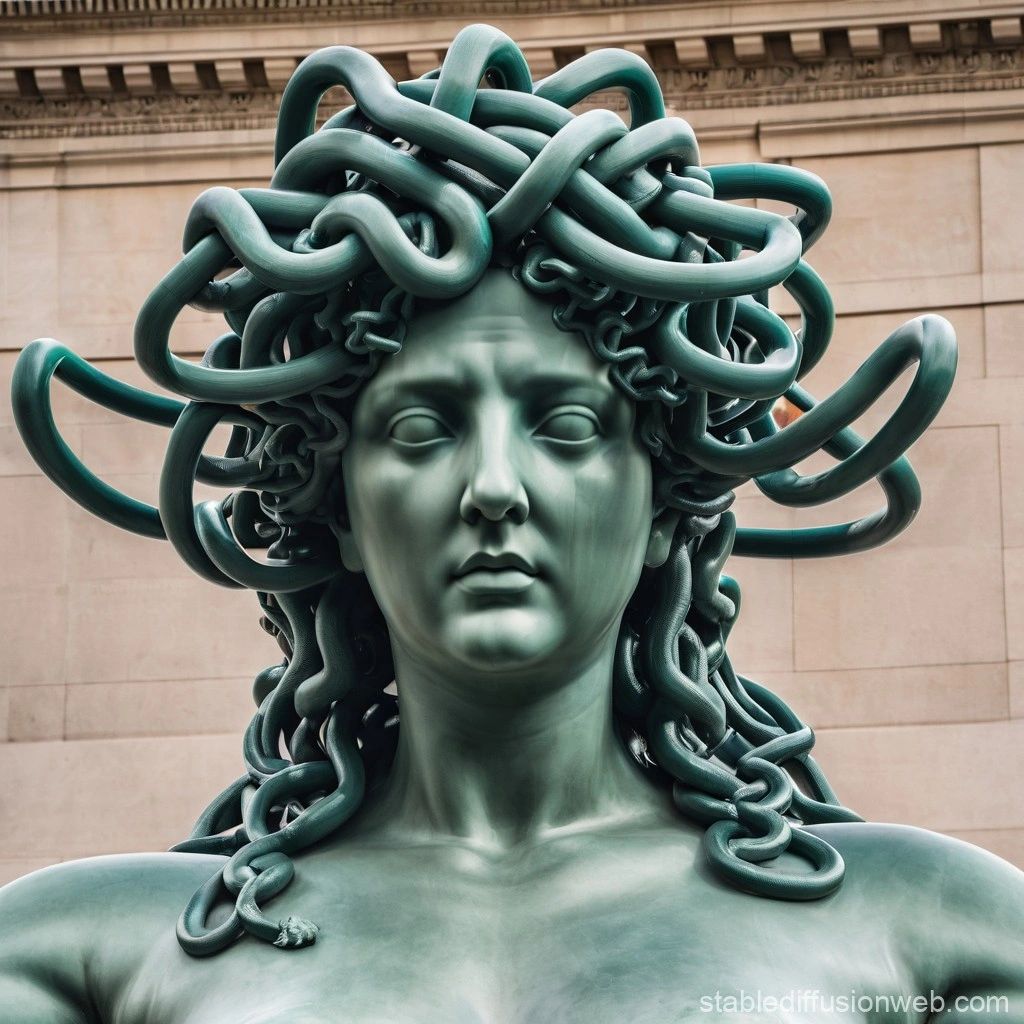
Transformation is one of mythology’s most enduring themes. Bodies change. Worlds shift. Mortals become something else entirely. In contemporary art, this language of metamorphosis continues to resonate, especially in works that deal with healing, grief, self-discovery, or spiritual renewal. Myth reminds us that change is often both painful and sacred.
Artists also return to mythology because it gives shape to longing, temptation, devotion, and power. Ancient stories are full of love and betrayal, beauty and destruction, triumph and punishment. These emotional forces have not faded with time. They continue to appear in contemporary painting, sculpture, drawing, and mixed media because they remain central to the human story.
That is part of what makes NOMA Gallery’s Myth & Legend Exhibition so compelling. The works in this exhibition reflect the enduring force of myth through contemporary vision. Rather than merely revisiting old stories, these artists breathe new life into timeless themes, showing how mythology still helps us understand ourselves and the worlds we build in our imagination.
In contemporary art, mythology remains alive because the questions it asks are still alive. Who are we becoming? What do we fear? What must we endure? What gives us strength? What must fall away so that something new can emerge? These are ancient questions, and they are still ours.
—Mel Fiorentino